RNA biology

Hidden functions of non-coding mRNA
Provisional image

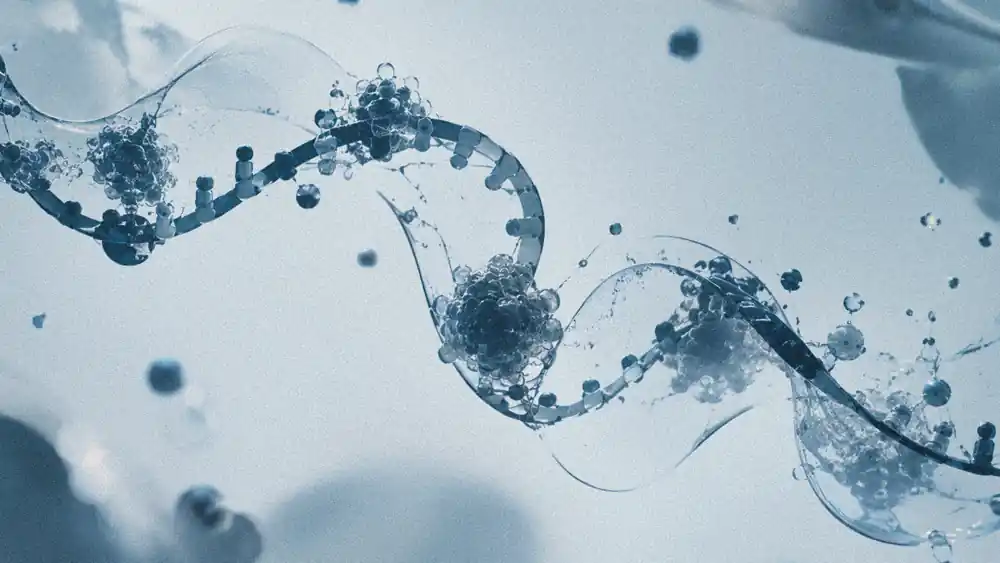
How 5′ UTRs, introns and 3′ UTRs are expressed, and what they do, in different cell types.

The non-coding regions of messenger RNA (mRNA) molecules, including the 5′ UTR, introns, and 3′ UTR, constitute a substantial portion, exceeding 80%, of the human transcriptome. Traditionally, these non-coding segments have garnered substantial attention for their roles in governing mRNA stability, intracellular localization, and translation efficiency.

Our laboratory is on a quest to delve deeper, to unravel the expression and potential functional roles of these enigmatic RNA sequences in various cellular contexts, transcending their immediate involvement in protein production.
Bioinformatics

Omics meets imaging

Provisional image

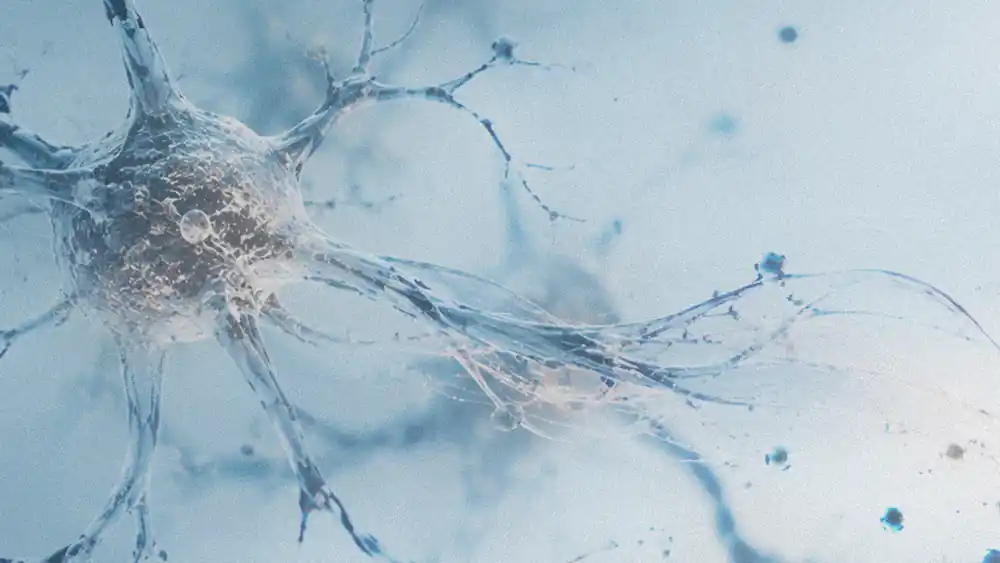
Methods to quantify non-coding mRNA regions in bulk, single-cell and spatial transcriptomics.

At the crux of our research is the development of advanced computational methods, tailored to the precise quantification of non-coding mRNA regions within large-scale transcriptomic data. This data spans a wide array of sequencing data, including bulk, single-cell, and spatial transcriptomics.

We integrate this wealth of information with other omics datasets, such as CLIP-sequencing data, to decipher the intricate regulatory mechanisms at play.

Bioimage analysis

From genotype to phenotype

Provisional image

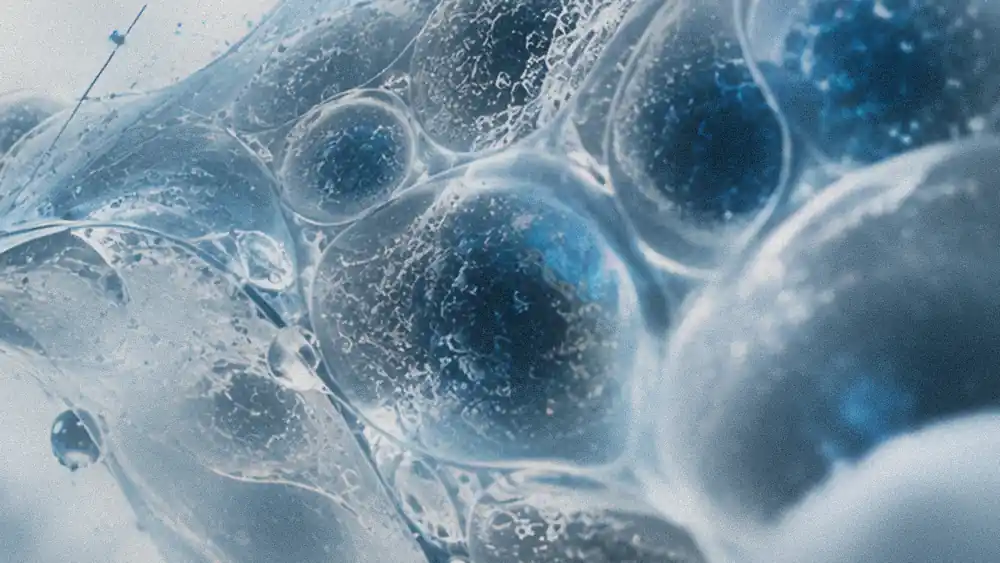
Segmentation-free pipelines for histopathology, fluorescence and cell images.

Our primary goal is to discern the extent to which aberrant non-coding RNA production contributes to abnormal phenotypes at the cellular and tissue levels.

To accomplish this, we are pioneering computational pipelines designed for feature-based and segmentation-free analysis of diverse biological images. These encompass histopathological specimens, bright field and fluorescent images, as well as cellular micrographs.

Disease

From neurodegeneration to cancer

Provisional image

From motor neurons and astrocytes to cancer therapy resistance, towards RNA-based therapies.

Our research journey initially focused on neuronal cells, renowned for their intricate architecture and unique mRNA metabolism, a prerequisite for the functionality of these highly compartmentalized cells.

While we continue our investigative work on motor neurons and astrocytes, we have also embarked on an expansion into cancer research. In particular we investigate whether these non-coding RNA sequences play pivotal roles in conferring resistance to cancer therapies. Ultimately, our aim is to expedite the development of novel RNA-based therapeutic strategies for complex human disorders, including cancer and neurodegenerative diseases.

Provisional Texts adapted from luisierlab.com/research, to be validated by the lab.

Key Elements

Collaborations and funding

We work with clinicians, RNA experts and stem cell biologists. The lab is based at the Department for BioMedical Research (DBMR) of the University of Bern, is affiliated with the SIB Swiss Institute of Bioinformatics and is an affiliated research group of the NCCR RNA & Disease.

Our research is supported by

  • Novartis Foundation for Biomedical Research

Contact

Let’s work together.

Academic partners, BSc and MSc students, PhD candidates and postdocs: tell us about your project or your background.

A.
DBMR, University of Bern
Murtenstrasse 35, CH-3008 Bern
Get in touch