Let’s work together.
Academic partners, BSc and MSc students, PhD candidates and postdocs: tell us about your project or your background.
- A.
- DBMR, University of Bern
Murtenstrasse 35, CH-3008 Bern
 Raphaëlle Luisier Principal Investigator DBMR · Bern Contact →
We combine sequencing, imaging, proteomics, histopathology and clinical data with machine learning, to understand what the non-coding regions of mRNA do in neurodegeneration and cancer.
We combine sequencing, imaging and clinical data with machine learning, to understand what non-coding regions of mRNA do in disease.
Based at the Department for BioMedical Research of the University of Bern, the lab is affiliated with the SIB Swiss Institute of Bioinformatics and the NCCR RNA & Disease.
More than 80% of the human transcriptome is non-coding mRNA sequence. Understanding what it does could open the way to new RNA-based therapies.
Source: luisierlab.com/research
 Provisional image
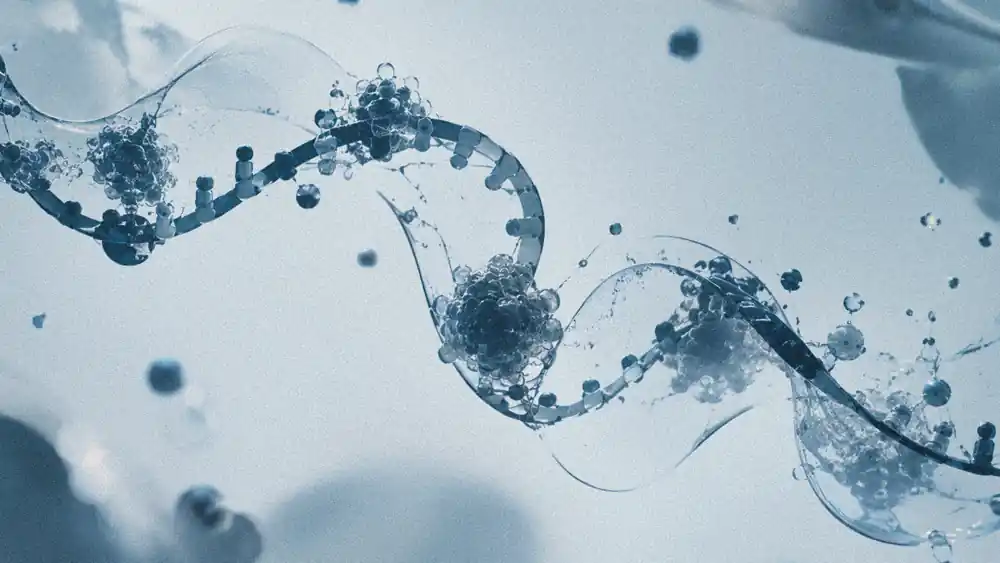
How 5′ UTRs, introns and 3′ UTRs are expressed, and what they do, in different cell types.
 Provisional image
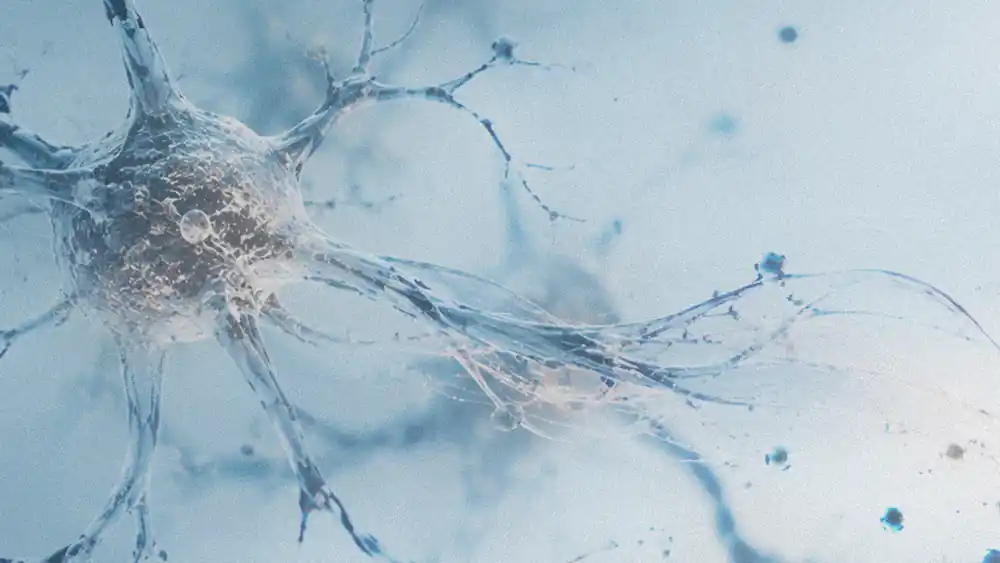
Methods to quantify non-coding mRNA regions in bulk, single-cell and spatial transcriptomics.
 Provisional image
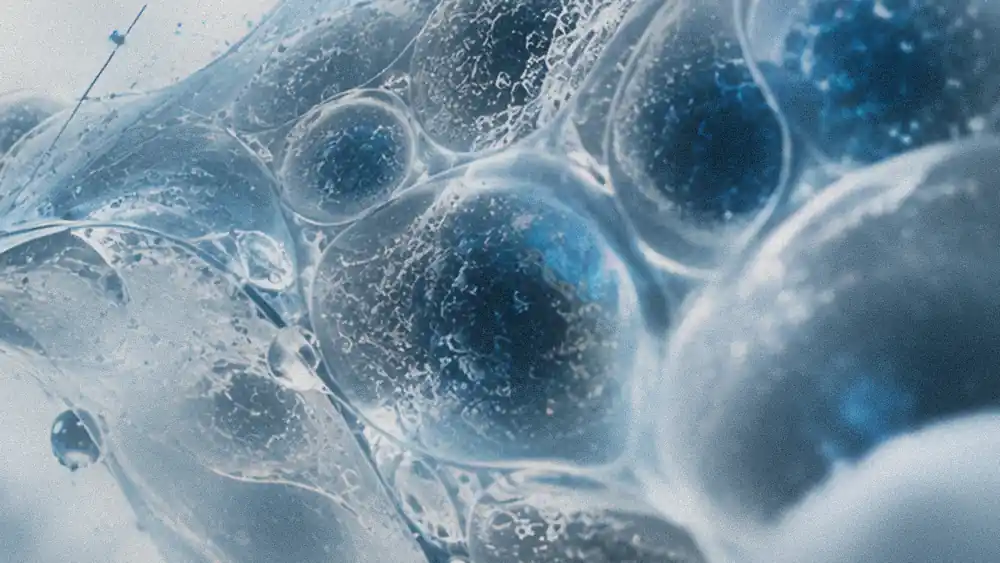
Segmentation-free pipelines for histopathology, fluorescence and cell images.
Provisional image From motor neurons and astrocytes to cancer therapy resistance, towards RNA-based therapies.
We investigate the often-overlooked 5′ UTR, introns, and 3′ UTR of mRNA, pushing boundaries beyond their traditional functions.
We develop advanced computational tools to quantify non-coding mRNA in large-scale datasets, merging omics and imaging data for insights.
We strive to link aberrant non-coding RNA to cellular and tissue-level abnormalities, from neurodegeneration to cancer.
Genome Research
Neuropathology and Applied Neurobiology
Brain Pathology
Contact
Academic partners, BSc and MSc students, PhD candidates and postdocs: tell us about your project or your background.